Bloom with Knowledge SVG Design: Graphics for Crafts & Branding
First Impression: Whimsy with Warmth, Not Just Cuteness
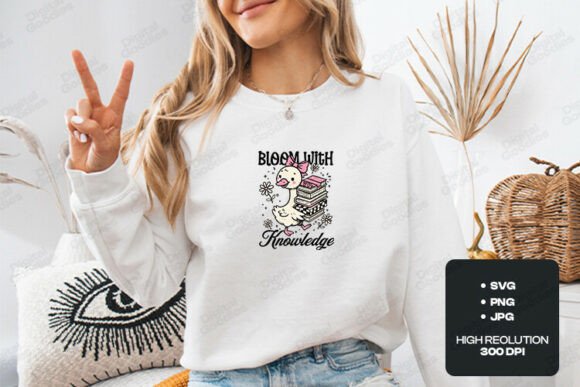
When I opened Bloom with Knowledge SVG Design, my first thought wasn’t “cute duck”—it was “inviting tone.” The illustration features a gentle duck character in a bow, cradling a stack of books amid soft floral accents. It’s not overly cartoonish or juvenile; instead, it strikes a rare balance: approachable yet intentional, playful yet polished. For brand owners launching a new course, a seasonal content bundle, or a mindful product line, this graphic design asset signals curiosity, growth, and quiet confidence—not just fun, but focused joy. It leans into lifestyle branding and handmade aesthetics without sacrificing visual clarity, making it ideal for small business branding that values authenticity over flash.
A Real Campaign Fit: Refreshing a Digital Course Launch Kit
Last month, I helped an online coach refresh her digital product visuals—specifically, a spring-themed “Bloom Your Knowledge” course bundle. We needed cohesive, on-brand assets for Pinterest pins, email headers, Canva templates, and printable workbook covers. Bloom with Knowledge SVG Design became the anchor illustration. Its floral framing gave instant seasonal relevance, while the duck-and-books motif communicated learning and gentle progress—far more resonant than generic graduation caps or lightbulbs. Because it’s delivered as both SVG and high-resolution PNG (300 DPI, transparent background), we scaled it seamlessly from Instagram post headers to 8.5×11″ printable checklists—no pixelation, no awkward cropping.
Where It Strengthens Brand Communication
This creative design works exceptionally well where warmth and clarity intersect. In social media graphics, it adds personality without clutter—especially effective in Instagram carousels explaining learning milestones. As a packaging accent on sticker sheets or gift-box inserts for educational kits, it reinforces brand voice before the customer even opens the box. On blog graphics and email banners, it lifts visual hierarchy by guiding the eye toward key headlines—its balanced composition avoids competing with text. For editorial design in lead magnets or media kits, it serves as a decorative brand element that feels intentional, not tacked-on. And because it’s vector-based (SVG), designers can recolor it to match any brand palette—critical for maintaining consistent branding across platforms.
Marketing Goals It Directly Supports
- Stronger first impression: Instantly communicates theme and tone—no caption required.
- Clearer visual hierarchy: The centered duck + book stack creates natural focal weight.
- Better product presentation: Ideal for digital products, printable designs, and learning tools.
- Improved audience trust: Its hand-crafted charm suggests care and intentionality—key for coaching and creative businesses.
- Stronger recognition: Distinctive enough to become a recurring motif in seasonal campaigns.
- Professional appearance: Avoids the dated look of low-res clipart while retaining approachability.
Best Places to Deploy This SVG Design
Use Bloom with Knowledge SVG Design where mood matters most: hero graphics for landing pages, campaign headers for email sequences, product launch visuals for digital downloads, branded templates in Canva, social media covers for Facebook or LinkedIn, packaging accents on eco-friendly mailers, content bundles like resource libraries, and promotional banners for limited-time offers. It also shines in editorial layouts—think blog post dividers or section breaks—and as a subtle watermark or corner embellishment in digital product previews.
Where to Use It Thoughtfully
This isn’t a one-size-fits-all illustration. Avoid using Bloom with Knowledge SVG Design in formal corporate branding (e.g., B2B SaaS dashboards), dense information layouts where clarity trumps charm, or small mobile graphics under 200px wide—the floral details may blur. It can feel visually busy against low-contrast backgrounds (e.g., light gray on white), and may clash with overly minimal brands that rely on stark geometry and negative space. Also, skip it in text-heavy ads or logo design—it’s a supporting graphic design asset, not a primary identifier.
Practical Brand Designer Notes
Before deploying Bloom with Knowledge SVG Design, test it rigorously: check black-and-white usage (does the silhouette hold up?); place it inside real campaign mockups—not just isolated previews; preview on mobile screens at actual size; test readability in small sizes (especially if used near body text); compare it against competitor visuals to ensure differentiation; and review spacing and balance when paired with your headline fonts. Try it with serif, sans serif, script, handwritten, and display fonts—it pairs especially well with warm serifs (like Playfair Display) and friendly sans serifs (like Nunito). Most importantly: confirm commercial licensing. This is a commercial design asset—perfect for client work, paid campaigns, and small business branding—but only if licensed for those uses. Always verify before scaling across your marketing visuals.
Why It Stands Out in the Creative Marketplace
In a sea of generic clipart and overused stock illustrations, Bloom with Knowledge SVG Design delivers thoughtful modern design with emotional intelligence. It’s not just decoration—it’s a strategic design bundle component that supports storytelling, builds audience trust, and elevates printable design and digital product launches. Whether you’re a blogger building a content kit, a craft seller designing packaging, or a coach crafting a signature offer, this SVG design helps your message bloom—clearly, consistently, and with quiet confidence.