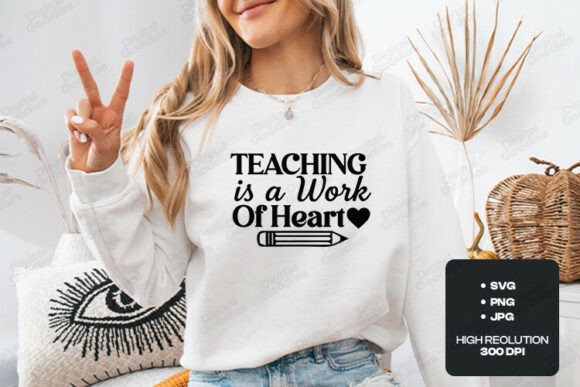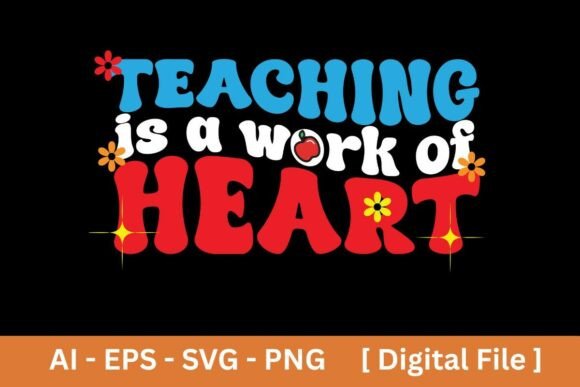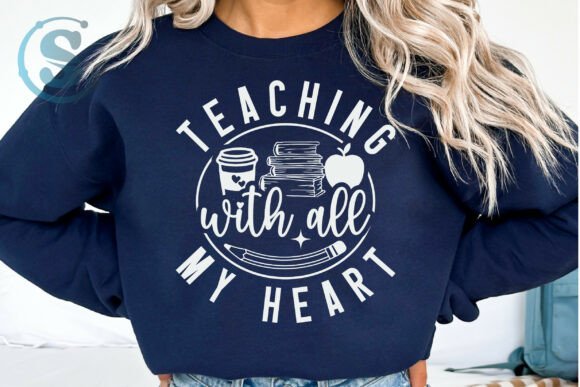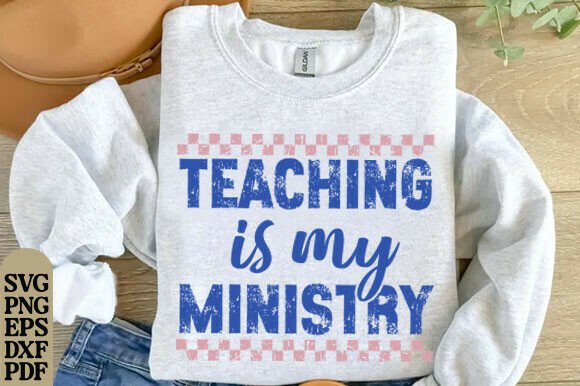
Teaching is a Work of Heart Hand
A Designer’s First Look: Spooky, Sincere, and Surprisingly Versatile
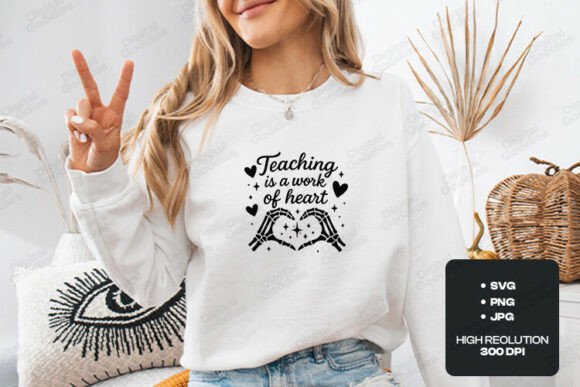
When I opened Teaching is a Work of Heart Hand for the first time, I didn’t just see a graphic—I saw a conversation starter. The skeleton hands forming a heart land somewhere between classroom chalkboard charm and gentle Halloween whimsy. It’s not cartoonish, not overly macabre, and definitely not generic. As an embroidery designer who’s stitched hundreds of education-themed pieces—from teacher appreciation to back-to-school boutique lines—I immediately pictured this on a heavyweight cotton tote bag for a school supply drive: sturdy fabric, clean lines, and that quiet “aha” moment when someone recognizes both the craft and the sentiment.
Where This Design Naturally Lives (and Thrives)
Teaching is a Work of Heart Hand shines brightest in projects where personality meets purpose. Think embroidered sweatshirt sleeves for staff appreciation week, minimalist pillow covers for a teacher’s nursery, or a single-stitch patch sewn onto a denim apron for a homeschool co-op leader. Its balanced negative space and moderate detail level make it ideal for custom apparel, especially on mid-weight fabrics like fleece, canvas, or 100% cotton tees. I recently tested a version on a soft-loop terry kitchen towel—it held up beautifully with satin stitch outlines and subtle fill stitch in the heart cavity. No bleeding, no distortion. That’s a win for small shop product consistency.
For Etsy sellers and craft business owners, this design bridges seasonal demand: it reads as year-round inspirational but gains extra resonance around Teacher Appreciation Week, graduation season, and even Halloween-adjacent classroom decor. I’ve used similar motifs in digital embroidery file bundles—and this one stands out because it avoids clichés (no apples, no chalkboards) while staying instantly legible at 3–4 inches wide.
Real Embroidery Realities: What Works—and What Needs Care
Let’s be practical: Teaching is a Work of Heart Hand isn’t built for every surface. On thin, stretchy jersey tees? Proceed with caution—those fine hand contours need solid stabilization to avoid puckering. Same goes for curved surfaces like caps: the interlocking fingers may distort if hooped too tightly or stitched without proper underlay. And while the heart shape is forgiving, the narrow wrist lines and finger joints are detail zones that can blur on low-density settings or with heavy thread on dark fabric.
I recommend avoiding it on baby onesies unless you’re using ultra-soft applique design techniques or significantly simplifying the stitch plan. Tiny hands + delicate fabric = high risk of stiffness or irritation. Likewise, skip dense layered garments (like quilted jackets) unless you confirm the stitch density is optimized for multi-layer stability. Always use cutaway stabilizer for structured items like tote bags and tear-away for softer textiles like tea towels.
Design Integrity in Action
What makes Teaching is a Work of Heart Hand feel professional—not just cute—is its visual hierarchy. The heart anchors the composition; the hands frame it with intention. There’s breathing room. That means it photographs well in printable mockups, scales cleanly from 2.5" to 5", and holds recognition even in black-and-white previews (a must for listing thumbnails). For handmade product buyers, that clarity builds trust: they know exactly what they’re getting before it ships.
It also supports brand consistency. Whether you’re curating a boutique line of educator gifts or building a cohesive craft fair product collection, this design doesn’t shout—it resonates. Customers don’t just buy a shirt; they buy a quiet nod to vocation, vulnerability, and dedication. That emotional resonance lifts perceived value, especially in personalized gifts where stitching quality and thematic authenticity matter more than flash.
Practical Notes Every Embroiderer Should Run Through
- Test first—always stitch Teaching is a Work of Heart Hand on scrap fabric matching your final project’s weight and texture.
- Check contrast: Light thread on dark fabric? Dark thread on light? Some versions of this machine embroidery design rely on outline definition—don’t assume it’ll pop without verifying.
- Review stitch density: If your machine flags high-density areas, adjust fill angles or reduce density slightly—especially in the heart center.
- Confirm hoop size: Does the design fit comfortably within your standard hoop? Tight margins increase tension issues.
- Inspect small details: Zoom in on the fingertips and knuckle lines—do they render cleanly at your intended size?
- Mock it up in grayscale first to assess balance and silhouette before committing to color.
- Verify licensing: Since this falls under T-Shirt Designs and Graphics, confirm whether your use case—especially resale of finished items or digital redistribution—falls within permitted terms.
Final Thought: A Design That Earns Its Place
Teaching is a Work of Heart Hand isn’t just another classroom graphic. It’s a thoughtful embroidery project anchor—distinct enough to stand out in a crowded market, refined enough to reflect craftsmanship, and emotionally grounded enough to resonate across age groups and occasions. Whether you’re stitching it for a holiday gift, a boutique launch, or a client’s custom order, it carries weight without heaviness. Just remember: great design only becomes great finished product when paired with intentional execution. So hoop it right, stabilize it well, and let those skeleton hands do what they do best—hold space for meaning.